View flipbook
 Download current issue
 Archives


 Salk Institute
 NATURE
01/2026
Dealing with an infection isn’t as straightforward as simply killing the pathogen. Our bodies must carefully monitor and steer the immune response to tackle the infection without hurting healthy tissues. If the immune system overreacts and leads to sepsis, this can be more life-threatening than the original infection.
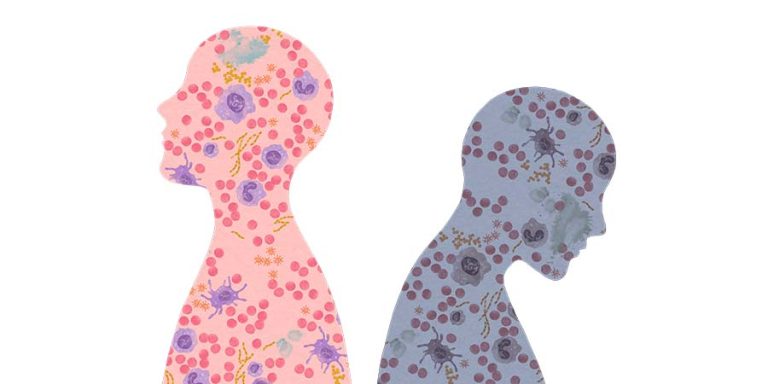
But our bodies change a lot over the course of a lifetime. Do their mechanisms for regulating and tolerating immune activity change, too? Salk scientists, led by Janelle Ayres, PhD, found that younger and older mice with sepsis have distinct paths through sickness. In fact, the mechanisms that young mice used to survive sepsis were the very same mechanisms that caused older mice to die, suggesting that future therapies may be more effective if tailored to the patient’s age. The researchers say new sepsis treatments are especially needed as the antibiotic resistance crisis continues to threaten existing care strategies.