











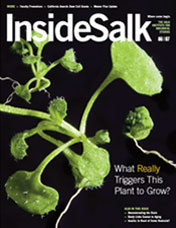



To detect new odors, fruit fly brains improve on a well-known computer algorithm
It might seem like fruit flies would have nothing in common with computers, but Assistant Professor Saket Navlakha and collaborators from Salk and UC San Diego found that fruit flies and computers identify novel information in similar ways.
The work not only sheds light on an important neurobiological problem—how organisms detect new odors—but also could improve algorithms for novelty detection in computer science.
Featured Stories
 The future starts upstreamFoundational discoveries are the source of tomorrow’s breakthroughs, but what happens if we let the river run dry?
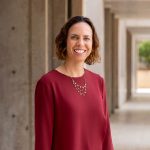 Diana Hargreaves: Follow the ScienceThe BAF complex is near and dear to Diana Hargreaves, PhD, a scientist, professor, and the J.W. Kieckhefer Foundation Chair at Salk. Hargreaves was born in Atlanta, Georgia, to a physician-scientist mother, so science had a hold on her from the very beginning.
 Ana Cabrera: Clearing the Path to DiscoveryCabrera is the senior director of strategic operations at Salk, a right-hand role to Chief Science Officer (CSO) Jan Karlseder, PhD. Cabrera and her colleagues in the CSO’s Office support Salk scientists through all of the logistical challenges that stand between them and their potential.
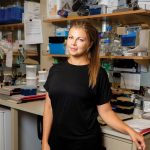 Aksinya Derevyanko: Finding strength in science, stage, and synapsesDerevyanko is a postdoctoral researcher training under Nicola Allen, PhD, a professor and neuroscientist at Salk.