View flipbook
  Download current issue
  Archives
 Salk Institute
 Written by Isabella Davis
We are living longer than ever. Today, the average US citizen lives to 79. But as the years roll on, cognitive decline can creep in—one sixth of adults over 65 and one third over 85 will get Alzheimer’s disease.
How exercise, cardiovascular health, immune health, metabolic health, and mental health converge to support a healthy brain—and how your daily habits can set you up for a long, healthy life.
We have heard a lot of tips for maintaining health in old age, like eat well, exercise, and get a good night’s sleep. At Salk, we want to know the mechanisms behind those beneficial habits.
Gerald joyce
These statistics are why the increase in lifespan is accompanied by a new attention to healthspan—our ability to not just live longer, but also to maintain health in those extended years. The question is: How? How can we extend our healthspan, especially in the brain to avoid aging-related cognitive decline?
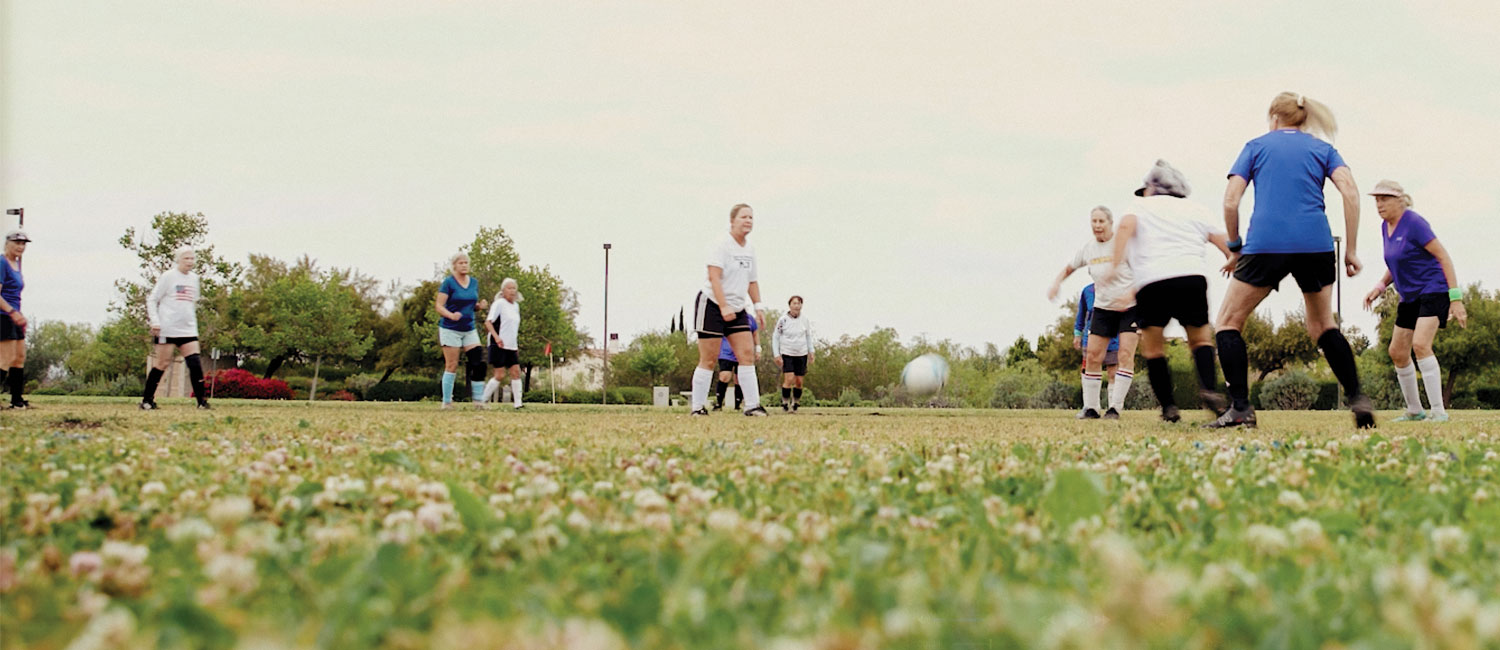
The San Diego Women’s Soccer League may have some answers.
“I fell in love with the sport. I fell in love with the camaraderie. And here we are 40-some years later,” says Nancy Petit, an 81-year-old league player. “We can laugh on the soccer field, and we can get serious on the soccer field.” But never too serious. Petit laughs as she shares that the players have so much fun on the field, they sometimes leave wondering, “What was the score?”
“And afterward, we always go out for coffee—that’s become part of the tradition,” says Jo Matthews, one of Petit’s teammates, who is also 81. Matthews plays a few other games throughout the week, too. “Four days a week, I’m out playing soccer, and it keeps me moving. And I know how important that is, especially at my age,” she says.
Beneath these anecdotes from the field are real biological mechanisms supporting the brain health of these “Over-80 Ladies,” as these soccer players call themselves. Salk scientists are unraveling those mechanisms to outline exactly which cells and molecules are at play.
“We have heard a lot of tips for maintaining health in old age, like eat well, exercise, and get a good night’s sleep,” says Salk President Gerald Joyce, MD, PhD. “At Salk, we want to know the mechanisms behind those beneficial habits. Why are they beneficial? How, on a mechanistic biological level, do they improve your healthspan?”
These are the types of questions foundational researchers at Salk are especially well-suited to tackle. Foundational science searches for the underpinnings of biological phenomena that, once described, can be used to develop better therapeutics or inform better habits that can protect you long term.
When foundational discoveries reveal the mechanisms and molecules our bodies use to keep us healthy, scientists can determine what lifestyles support those mechanisms and molecules, and find ways to supplement or repair them when they dysfunction.
This year, Salk is focusing those foundational research powers on brain health.
How do exercise, cardiovascular health, immune health, metabolic health, and mental health converge to support a healthy brain? And what actionable tips can be gleaned from understanding the foundational biology of brain health?
How does exercise contribute to brain health?
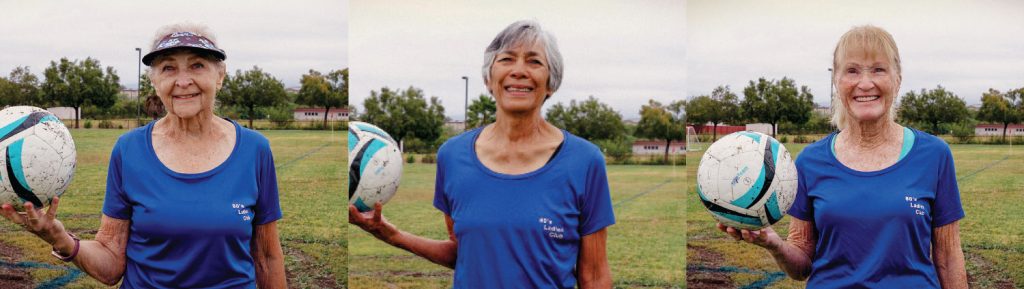
Petit, Matthews, and Staley—who are all over 80—demonstrate that being active, laughing often, and staying connected to a vibrant community aren’t just good habits. For the brain, they may be the most powerful medicine of all.
Exercise is energy intensive. But it’s not just your muscles gobbling up energy.
“While the brain constitutes only 2 percent of the volume of the entire body, it consumes 20 percent of the energy,” explains Rusty Gage, PhD, a neuroscientist at Salk. That energy is used to fuel the tens of billions of neurons that zap information back and forth to facilitate running, scoring, jumping, playing, and everything else the body needs.
For years, it was believed that the neurons you are born with are all you get. Gage discovered that this is not true; Neurogenesis can occur throughout life, and exercising can boost it. This can help stabilize the brain in later years, when neurons and the connections between them get lost, leading to age-related neurodegeneration.
Recently, scientists have pinpointed two exercise-related proteins that encourage neurogenesis. One is BDNF, a protein that increases during exercise and helps neurons make more connections with one another. What causes this increase is still under investigation, but Gage suspects something begins circulating in the blood during exercise that tells brain cells to make more BDNF.
The other is GPLD-1, a protein that gets made in the liver and sent through the bloodstream up to the brain. “This really demonstrates that the brain is connected to the rest of the body, and the rest of the body affects the brain,” says Gage.
Exercise stirs up these proteins and encourages connectivity in the brain that keeps it healthy, longer. One day of exercise once a month will not produce these benefits, though, explains Gage. While one exercise session is good for you, a long-term, sustainable exercise routine is better. But routine does not mean boring.
“Personally, I like to mix things up,” says Gage. “Every day I stretch and do some light lifting, I run. Anything that is moving your body counts as a form of exercise.”
And the soccer ladies agree. “You have got to keep your body moving, keep those muscles active,” says Jany Staley, an 82-year-old teammate of Petit and Matthews. Staley runs the Sunday morning league, is the president of another league, and dabbles in pickleball and the card game canasta.
A mix of strength, agility, aerobics, and, most importantly, fun can keep exercise feeling doable and the brain feeling energized. And starting now can set the stage for healthier aging.
How does cardiovascular health contribute to brain health?
A major benefit to exercise is improving circulation, the continuous stream of blood through the heart, arteries, and veins that constitute the cardiovascular system. Good circulation ensures that oxygen and nutrients reach the brain efficiently, and a consistent exercise regimen can improve circulation. In fact, with routine exercise, the body can increase its energy-making capacity by making more of the little cellular engines, called mitochondria, that turn oxygen and nutrients into usable fuel.
This ability to make more mitochondria in response to exercise and healthy circulation is especially important in the energy-hungry brain, where mitochondria power the connections between neurons. Loss or dysfunction of mitochondria in the brain has been linked to neurodegeneration, as the brain lacks the power it needs to function normally.
Salk scientists are curious about why and when this happens, and whether therapeutic or lifestyle interventions exist that can prevent or remedy mitochondrial dysfunction.
Saghatelian is one of many Salk researchers taking a unique approach to studying mitochondrial function. Identifying molecules involved in obesity can help inform future development of therapeutics that could prevent cardiovascular dysfunction, ensuring that circulation and nonbrain organs contribute to the whole-body health ecosystem that supports a healthy brain.
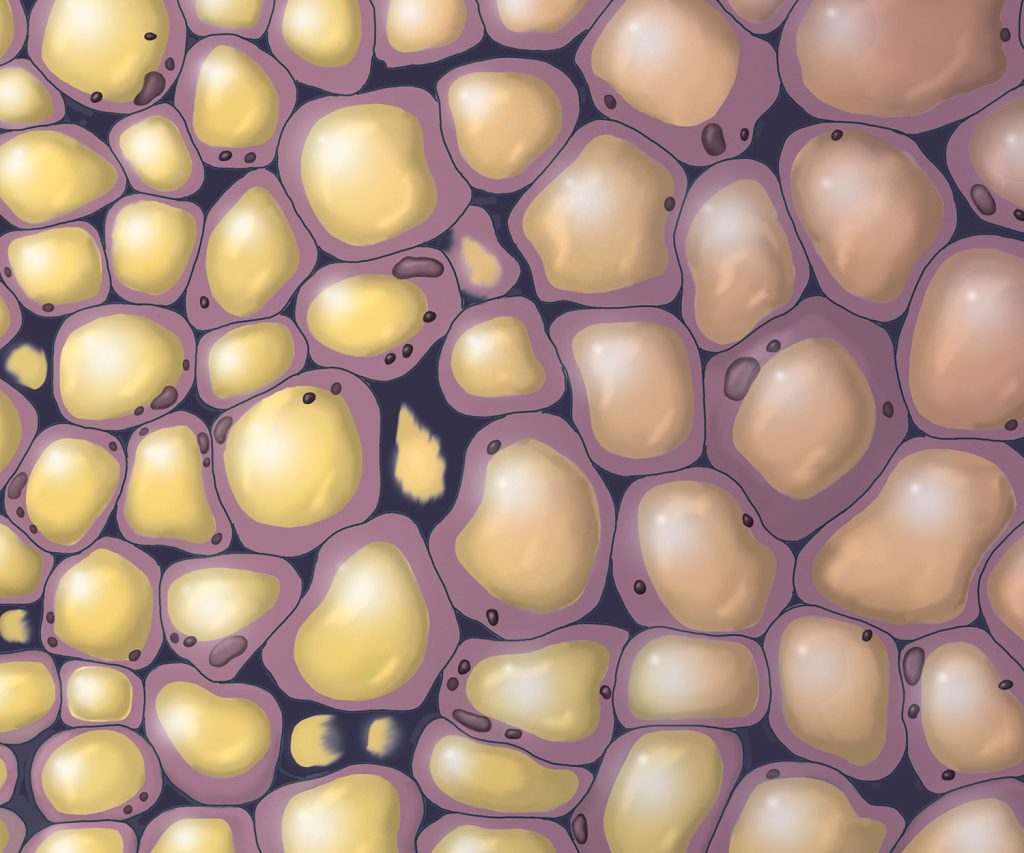
Eating too much and exercising too little can cause an excess of fat cells. This accumulation disturbs the body’s energy balance, robbing brain cells of power.
Alan Saghatelian, PhD, a chemical and molecular biologist, has been on the hunt for new therapeutic targets for obesity and related metabolic conditions. He has been looking in the “dark side” of the human proteome—the parts no one else has found or studied. In these mysterious waters are a class of molecules called microproteins, and Saghatelian found dozens that regulate fat cell proliferation and lipid accumulation.
One major source of mitochondrial dysfunction is overeating. When energy consumption exceeds energy expenditure, fat cells storing excess energy can grow in both size and number. While some excess storage is manageable, too much can cause fat deposits to accumulate around the body, which leads to whole-body inflammation and organ dysfunction.
How does immune health contribute to brain health?
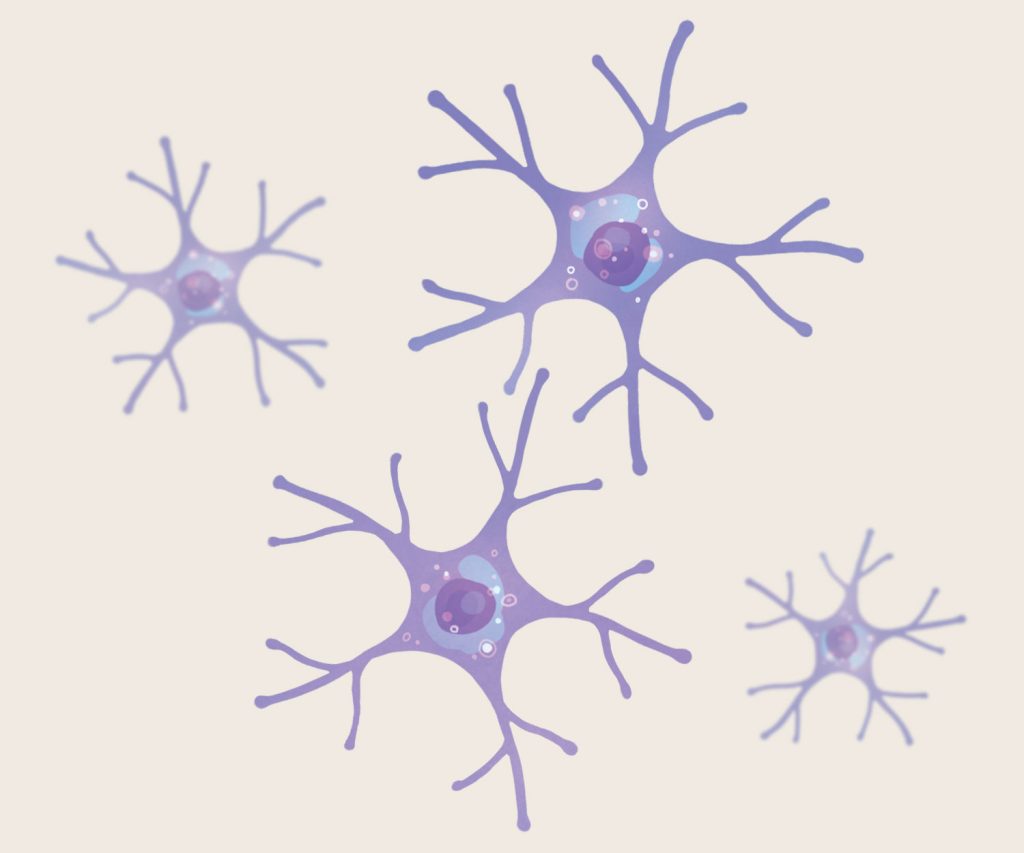
One single astrocyte can support up to 1 million neuronal connections, but when these cells misbehave with age, the brain’s entire communication networkbegins to quietly unravel.
The immune system does not just come to the rescue when you have the flu or after you get a cut. It is always around, scouring the body for intruders and cleaning up threats before they turn into problems. And in the brain, immune surveillance and maintenance are carried out in part by specialized non-neuronal cells called glial cells.
Neurons make up half of the cells in the brain, and glial cells the other half. There are billions of glial cells in the brain, including star-shaped cells called astrocytes. Nicola Allen, PhD, has championed a movement in neuroscience to prioritize astrocytes in research.
“When neurons communicate, they use chemical messengers that one neuron releases and another neuron responds to,” says Allen. “But that is a messy process. The first neuron releases way too much of this chemical to make sure the second one gets activated. Astrocytes come in, pick up, and recycle those chemicals to keep communication precise.”
One single astrocyte can support up to 1 million neuronal connections in the human brain. As with neurons, age brings dysfunction of these cells, changing their properties to reduce neuronal support. If we can figure out how to recover dysfunctional astrocytes, it is likely their renewed strength would promote renewed neuronal strength, renewed connections, and a healthier brain.
Microglia are another promising glial target for future therapeutics. Microglia are resident immune cells in the brain that also carry out the important work of pruning unnecessary or redundant connections in the developing brain. As the brain stabilizes in adulthood, microglia reduce pruning. In old age, microglial dysfunction can prompt these cells to resume pruning. Figuring out what turns microglial pruning back “on” could help scientists keep them “off”, preventing unwanted activity that leads to lost connections and cognitive decline.
Microglia and astrocyte dysfunction are so significant in neurodegeneration that scientists have found that much genetic predisposition to diseases like Alzheimer’s are linked to these glial cells. And the transcriptional state of microglia and astrocytes tends to change the most of any brain cells during neurodegeneration.
“There are two main changes that happen in these glial cells,” explains Allen. “First, they stop doing their regular jobs. Second, they start misbehaving.”
Keeping these brain-resident glial cells healthy ensures healthy brain activity. Immune cells that live elsewhere in the body are important to brain health, too, as inflammation anywhere in the body—from another organ, or an injury or dietary issue—sends immune signals through the bloodstream to the brain, where they can impact neurons.
Supporting a healthy immune system by treating injury and sickness appropriately, even small things like gingivitis, can, in turn, support a healthy brain.
How does metabolic health support brain health?
“The best way to begin talking about metabolic health is by defining metabolism,” says Christian Metallo, PhD. “Metabolism is the set of biochemical reactions that occur in our cells, in our tissues, throughout our bodies. This concept encompasses physiology and drives how nutrients get from the food we eat to our various tissues, where we use them for fuel.”
Metallo is a biochemical engineer and metabolic scientist. He applies the same tools used to study chemical processes in plants to study biochemical processes in humans. His approach allows him to ask questions like, what, when, and where are biochemical reactions happening in the human body?
All the energy brains consume cannot come directly from the food we eat. Those nutrients must be processed in a series of biochemical reactions that turn food into usable cellular fuel. Typically, glucose is the nutrient of choice—an abundant sugar the body extracts from fruits, vegetables, and starchy foods like bread or pasta.
During a fasting state, however, the brain can switch from glucose as the primary fuel to ketone bodies. Between snacks and meals, glucose levels decline, and the body begins converting stored fats into ketone bodies. These little molecules are critical in keeping the brain and heart running when glucose gets low during fasting.
But Metallo thinks this important switch between glucose and ketone bodies may malfunction in aging.
“The human body is a beautifully designed machine that has this exquisite flexibility and can sense different nutritional environments and change the way it fuels itself,” explains Metallo. “But that ability to flex between nutrient sources can go awry in metabolic disease and aging. Now, we are trying to figure out how different disease states or genetic backgrounds influence the nutrients your body favors.”
Answering this question starts with tracking nutrients as they move through the body. Metallo tags different nutrients with (nonradioactive) isotopes, or little flags, feeds those tagged nutrients to a person or a cell in a petri dish, then uses instruments to track where they go, what tissues they end up in, how they are metabolized, and how fast they are converted to other biochemicals.
Metallo is particularly interested in tracking the metabolism of amino acids, which are the building blocks of peptides and proteins, and, relatedly, sphingolipids—bioactive fats that are present in specialized cells throughout the body. Curiously, sphingolipid-related genes and molecules have been linked to neurodegeneration and neurodevelopmental defects. Metallo wants to know why.
“These systems are all intertwined,” he says. “That is why I take a systems approach as an engineer, looking at not just one tissue but the whole sum of the body’s parts working together.”
A systems approach appears in Metallo’s advice for healthy metabolism, too: Ensure the whole body is healthy by exercising, maintaining an appropriate body weight, and supporting your mental health.
How does mental health support brain health?
Sung Han, PhD, is a behavioral neuroscientist and expert in tying molecular cues to psychological responses. Han pays special attention to a class of brain communication molecules called neuropeptides and how they transduce environmental stresses into changes in physiology, metabolism, behavior, and emotion.
Retaining memory, attention, language, and problem-solving is key to extending our cognitive healthspan. With age-related cognitive decline, these systems can begin to fail, and vulnerabilities from social isolation, anxiety, and mental health disorders can exacerbate that decline.
Dysfunctional neuropeptides can trigger overreactions to nonthreatening situations, causing hypersensitivity characteristic of neuropsychiatric disorders like post-traumatic stress disorder (PTSD) or other panic and anxiety conditions.
One easy-to-act-on discovery that Han has made is identifying the brain circuit used to consciously slow breathing to reduce anxiety and negative emotions.
“The body naturally regulates itself with deep breaths, so aligning our breathing with our emotions seems almost intuitive to us, but we didn’t really know how this worked in the brain,” says Han. “By uncovering a specific brain mechanism responsible for slowing breathing, our discovery may offer a scientific explanation for the beneficial effects of practices like yoga and mindfulness on alleviating negative emotions, grounding them further in science.”
Han even envisions a future where this circuit could be triggered by a drug—a so-called “yoga pill.” “It may sound silly,” he laughs, “and the translation of our work into a marketable drug will take years, but we now have a potentially targetable brain circuit for creating therapeutics that could instantly slow breathing and initiate a peaceful, meditative state.”

“[A yoga pill] may sound silly… but we now have a potentially targetable brain circuit for creating therapeutics that could instantly slow breathing and initiate a peaceful, meditative state.“
Sung Han
Taking deep breaths, slowing down, and utilizing practices like yoga and mindfulness can keep your nervous system regulated, helping prevent chronic anxiety that can harm your body by spiking blood pressure and flooding your system with stress hormones.
In addition to breath-related practices, people can benefit from connecting with each other. Over-80 Ladies Petit, Mathews, and Staley say that camaraderie keeps them coming back to soccer.
You can never say you can’t learn new things just because you’re older. I think any older person can learn anything if they want to.
Jany Staley
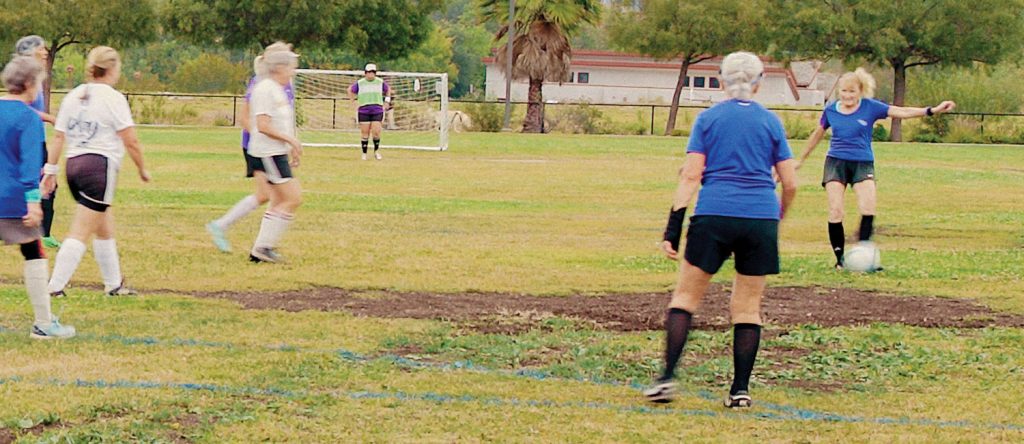
“Playing in this soccer league has convinced me how important not only the physical activity is, but the interactions with people,” says Staley. “Everybody has had different things, whether it’s injuries or loss of a family member, and the soccer community pulls together to assist them during those tough times. I love that.”
“We’re talking about what is going on in the world or with our friends and families,” says Mathews. “It makes you empathetic to what is happening outside of yourself, to our group, or the rest of the world. I think it is important that you establish those kinds of relationships.”
The science behind socialization is a special interest for Kay Tye, PhD. After first identifying a cluster of neurons in mice that were associated with a drive to socialize after isolation, Tye found similar results in a small human cohort. Humans crave social contact when lonely in a similar way to craving food when hungry, and Tye identified the circuit responsible for that craving.
Social isolation, like anxiety, can cause stress or disorder. Maintaining both the quantity and quality of social interactions can keep your brain from craving connection and falling into disorder over time.
From platitude to practice
Eat healthy! Exercise! Make new friends! Get good sleep! This advice, though repetitive and ubiquitous, is true.
“We hear this good advice all the time,” says Joyce. “At Salk, we try to figure out the mechanisms behind each of these ‘Do good’ statements. Because if we can understand the mechanism, then we know the bull’s-eye of what ‘Do good’ really means. It is no longer a platitude—it is a more specific thing. And each mechanism we define is an opportunity for future prevention strategies or therapeutics that address early cognitive decline.”
Salk scientists are continuing to explore the mechanisms behind why and how exercise, cardiovascular health, immune health, metabolic health, mental health, and other factors support a healthy brain. And it is all about teamwork.
Whether in the lab, in the body, or on the soccer field, nothing happens in isolation. No one scientist or discipline can understand life by themselves; no singular part of the body can be untangled from the rest; and no one soccer player can win a game alone.
Supporting brain health can happen at any age, and it never has to stop.
“You can never say you can’t learn new things just because you’re older,” says Staley. “I think any older person can learn anything if they want to.”
The same goes for Petit. “My kids go, ‘Oh my gosh, Mom, don’t you think it’s maybe almost time to hang up your cleats? And I’m like, ‘No! No! I’m not ready for that!’”
Healthy habits to start today
“Everything in moderation. Extreme diets can cause diseases rather than cure them.”
Christian Metallo,
metabolism expert
“Exercise to reduce inflammation and improve circulation.”
Nicola Allen,
neuroimmunology expert
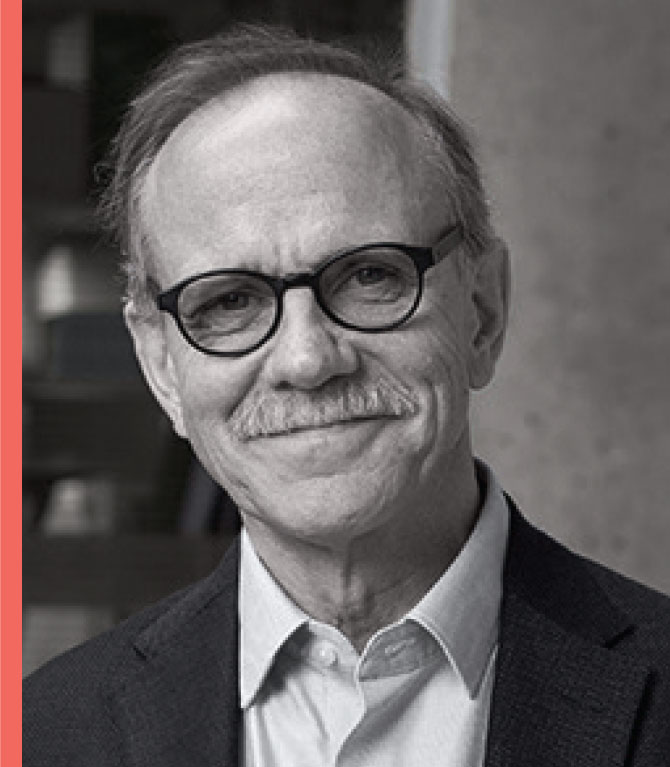
“Stretching and breathing exercises are wonderful. Keep a balanced portfolio of exercise—stay consistent, and do not wear yourself out.”
Rusty Gage,
neuroscience expert
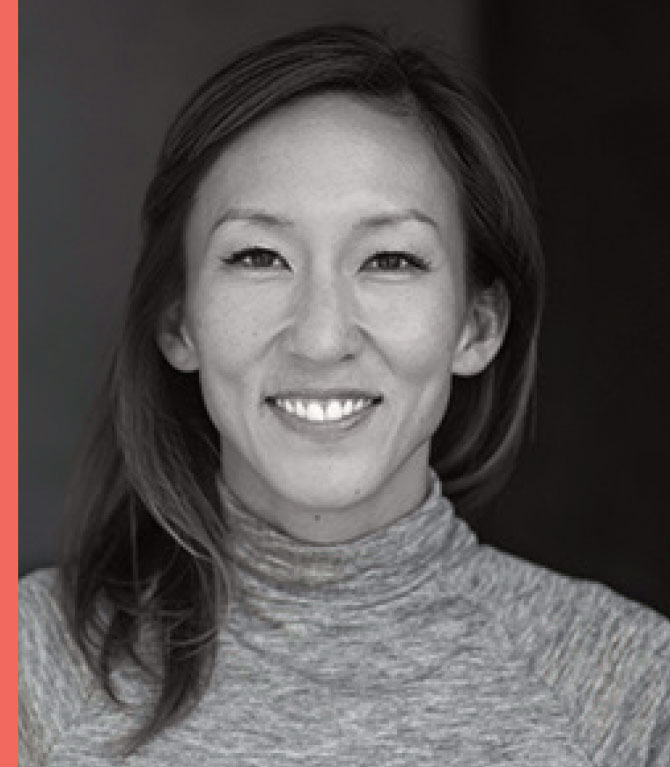
“Live an adventurous life. Seek out new experiences to build new neural connections.”
Kay Tye,
behavioral neuroscience expert
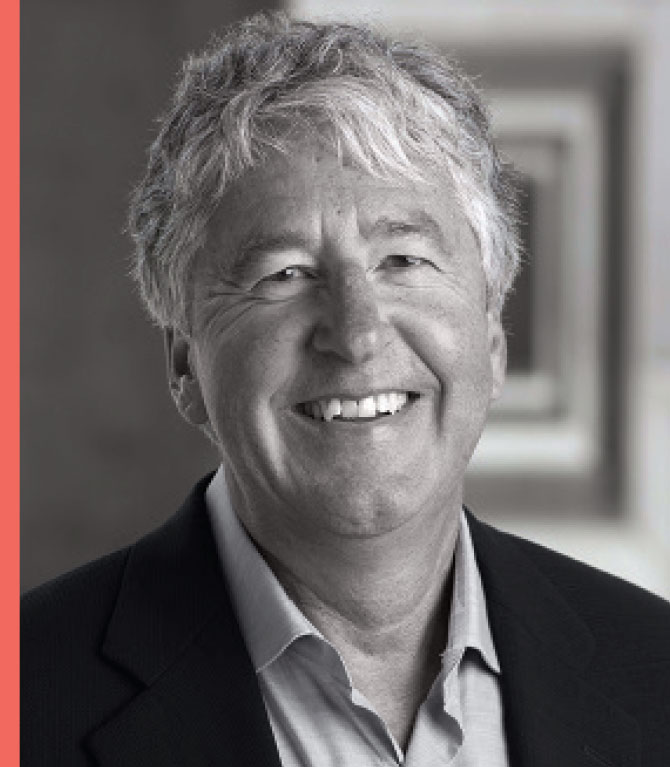
“As simple and silly as it may sound, floss your teeth every day to reduce inflammation.”
Gerald Joyce,
medical biology expert
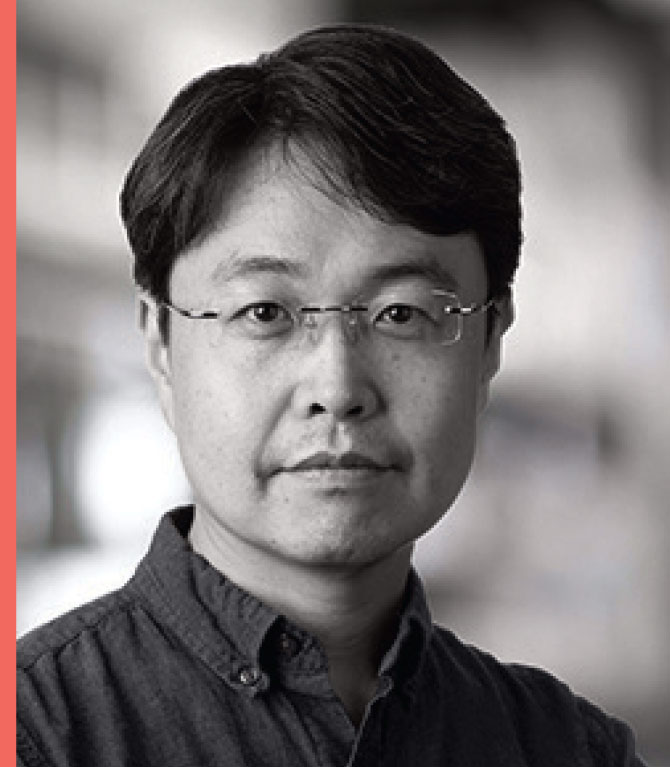
“Try deliberate breathing methods, like in meditation or yoga practices, to calm yourself down in stressful times.”
Sung Han,
neuropsychology expert