 View flipbook
  Download current issue
  Archives
 Salk Institute
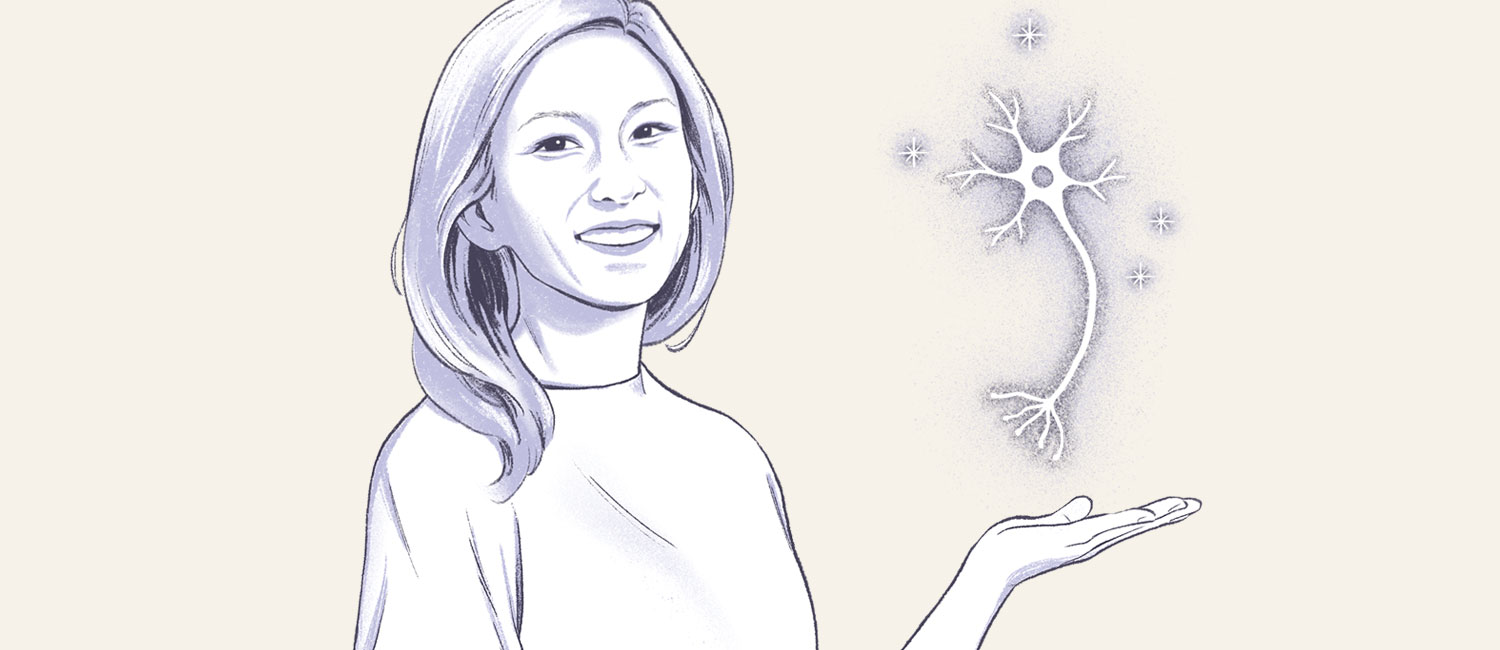
 Advice from Salk neuroscientist Kay Tye, PhD
Advice from Salk neuroscientist Kay Tye.
Social interactions are among the most stimulating and important forms of engagement that the brain can experience. When we communicate and socialize with one another, our brains release oxytocin, often called the bonding hormone, which activates reward centers and helps build trust and emotional connection. Because humans are naturally social, these interactions play a key role in maintaining brain health and cognitive function as we age.
In 2020, my lab conducted a study on a small brain region called the substantia nigra because of its role in social interaction. This region helps control dopamine production, which affects motivation, emotions, reward, and the ability to connect with others socially. During the study, we found that humans crave social interaction when they are lonely in much the same way they crave food when they are hungry. That finding showed me just how deeply social connection is built into human biology. Meaningful social experiences also help create new neural pathways by exposing the brain to unfamiliar ideas, emotions, and problem-solving situations that keep the mind active and healthy.
On the other hand, social isolation can seriously affect both mental and physical health. Without enough social interaction or emotional support, people often feel disconnected and unhappy.
Over time, isolation can increase stress levels while reducing mental stimulation, which may weaken memory and thinking skills and increase the risk of dementia. Isolation has also been linked to anxiety, depression, heart disease, and strokes, showing that the effects extend far beyond emotional wellbeing alone.
Maintaining strong social relationships may slow cognitive decline and support long-term mental health throughout life. Keeping our brain healthy is not simply about being around other people, but also about having meaningful and diverse interactions that challenge the mind and create new experiences. Just as we need healthy food to support our bodies, we also need strong social connections to support a healthy brain as we age.