 View flipbook
  Download current issue
  Archives
 Salk’s Year of Brain Health
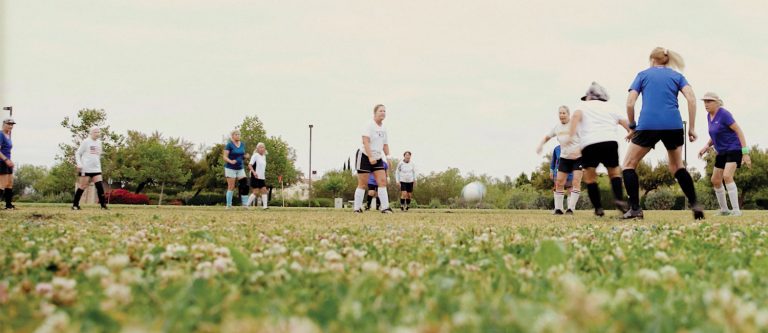
Written by Isabella Davis We are living longer than ever. Today, the average US citizen lives to 79. But as the years roll on, cognitive decline can creep in—one sixth of adults over 65 and one third over 85 will…

FALL 2026
FALL 2026

Written by Isabella Davis We are living longer than ever. Today, the average US citizen lives to 79. But as the years roll on, cognitive decline can creep in—one sixth of adults over 65 and one third over 85 will…
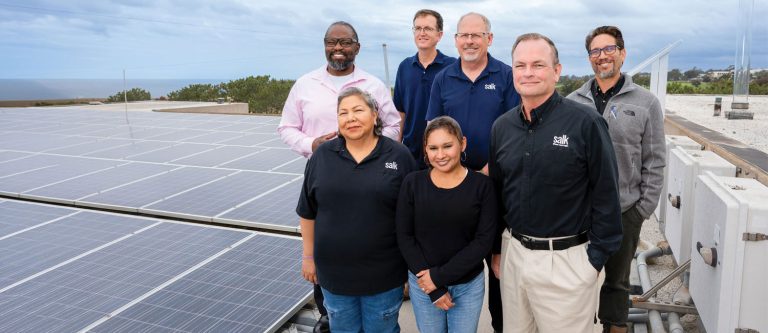
Every day, soft morning light washes across Louis Kahn’s concrete walls as the Pacific fog lifts over the courtyard. From above, the campus appears still, its laboratories quiet beneath the steady rhythm of the River of Life water feature flowing…
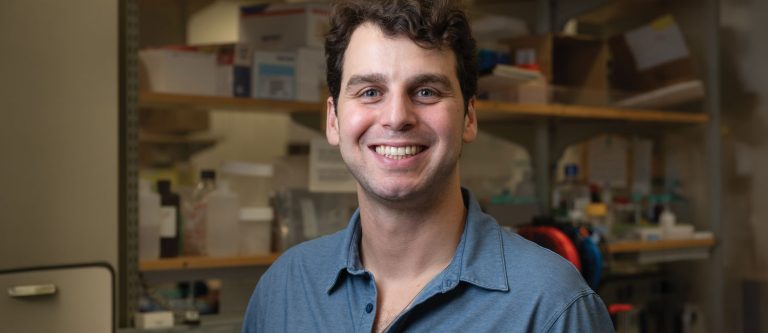
Adam Farsheed, PhD, is a problem solver. His curiosity about the world is clearly that of an engineer, driven by mathematics and physics. But Farsheed is not all brains—he also leads with his heart, caring deeply for people and allowing…
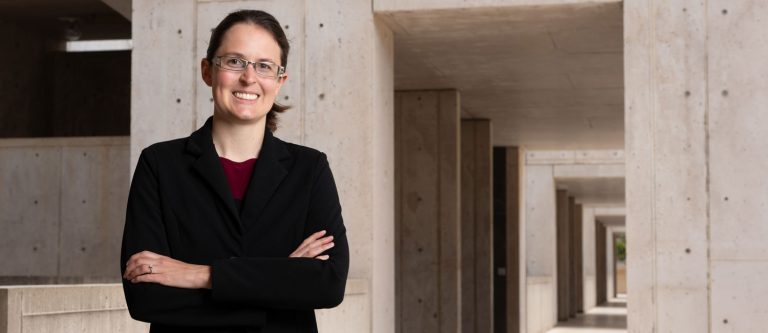
Jamie Blum, PhD, has always been curious about what we eat and why it matters. Now, as a Salk assistant professor, she’s asking the question at the molecular level, and the answers could one day change how we think about…

Suzanne Bourgeois, PhD, had a knack for finding things that others had overlooked. In the 1960s, when the molecular machinery behind gene regulation was still largely a mystery, she identified something no one had proved before: that the protein responsible…
GLP-1s are building a reputation as “wonder drugs.” First characterized for their ability to improve insulin release and treat diabetes, the drugs were later found to promote weight loss and improve cardiovascular health. In addition to those bonus benefits, GLP-1…
In little moments like when sipping coffee or licking an ice cream cone, it doesn’t seem like your body is pulling off a biological miracle. But it is. That ice cream is not you—yet when you put it in your…
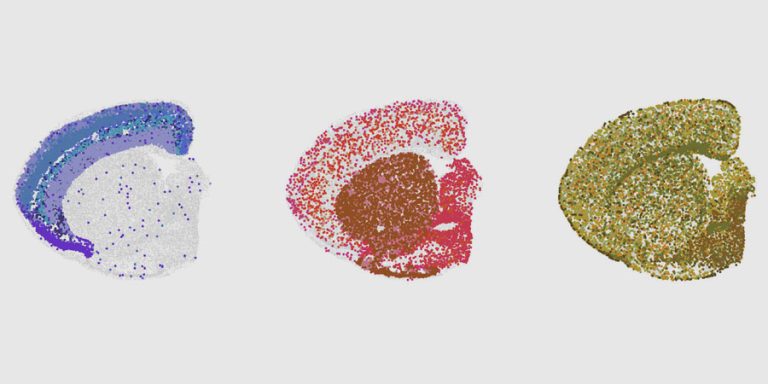
Neurodegenerative diseases affect more than 57 million people globally. Though scientists know that aging is a major risk factor for neurodegenerative diseases, the mechanisms underlying its impact remain unclear. But a great place to start is epigenetic change—the way small…
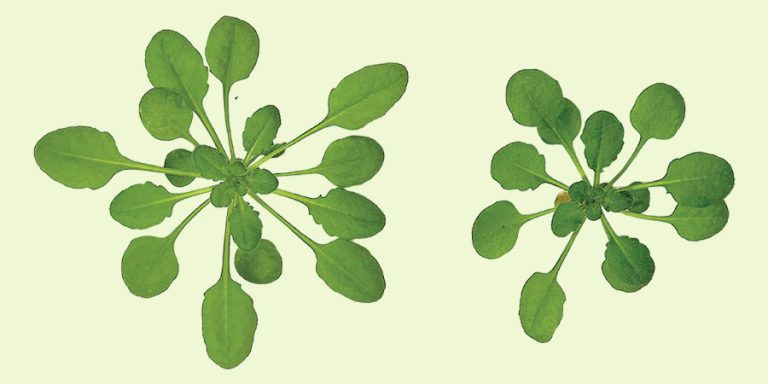
For more than 25 years, the American Southwest has faced the severe social and economic consequences of a megadrought, including a $1.1 billion agricultural loss in California in 2021 alone. New research led by Joseph Ecker, PhD, provides a roadmap…
Plants can’t move to escape the heat like humans can—they are forced to adapt. As temperatures fluctuate, one key survival strategy is the ability of roots to keep growing, allowing plants to access water and nutrients farther away in the…